Electric Utilities Expand Wildfire Public Safety Power Shutoff Dashboards
Introduction
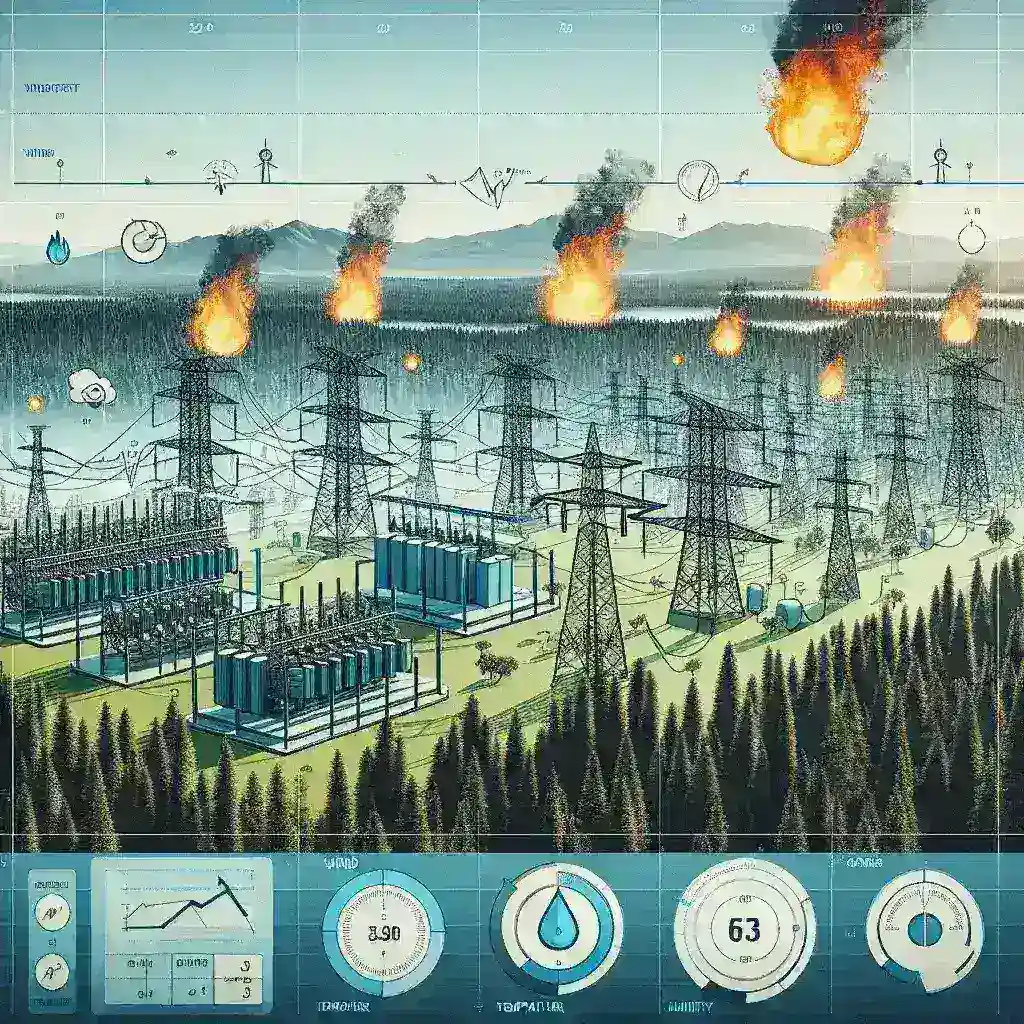
As climate change continues to escalate, the impact of wildfires has become a growing concern across various regions, particularly in the western United States. In response to the increasing frequency and intensity of wildfires, electric utilities have taken significant steps to enhance their public safety measures. One of the most prominent strategies is the expansion of wildfire public safety power shutoff dashboards, which are designed to provide real-time information about power outages during extreme fire conditions.
The Need for Power Shutoff Dashboards
The rationale behind power shutoffs during wildfire conditions is straightforward: by de-energizing power lines in areas at risk of sparking fires due to high winds and dry conditions, utilities aim to prevent catastrophic fire outbreaks. However, these shutoffs can also lead to significant inconveniences for customers, such as loss of power, communication challenges, and disruptions to essential services. This is where the need for comprehensive dashboards arises.
Understanding Wildfire Public Safety Power Shutoff Dashboards
Wildfire public safety power shutoff dashboards are interactive platforms that offer a wealth of information regarding potential power outages. These dashboards provide:
- Real-time updates: Customers can receive timely information regarding planned power shutoffs in their areas.
- Interactive maps: Users can view specific areas affected by potential shutoffs.
- Preparedness resources: Dashboards often include tips and guidelines on how to prepare for outages.
- Notifications: Users can sign up for alerts via text or email to stay informed on power shutoff impacts.
Recent Enhancements in Dashboards
In response to feedback from communities and stakeholders, electric utilities have made notable upgrades to their wildfire power shutoff dashboards. These improvements aim to enhance user experience and provide more accurate data. Some recent enhancements include:
- Increased accessibility: Dashboards are now designed to be more user-friendly, including mobile compatibility and simplified navigation.
- Advanced data analytics: Utilities are utilizing predictive analytics to forecast which areas may be at risk for outages based on weather patterns.
- Incorporation of social media feeds: Real-time updates from local news and weather services are integrated to provide users with a comprehensive view of the situation.
Historical Context
The concept of power shutoffs is not new, but its implementation has evolved dramatically over the past few years. Following devastating fire seasons, utilities began to recognize the importance of proactive measures to safeguard communities. Historical events, such as the 2018 Camp Fire in California, underscored the dire consequences of inaction. As a result, utilities were compelled to devise strategies that not only protect infrastructure but also prioritize public safety.
Future Predictions and Innovations
Looking forward, it is anticipated that electric utilities will continue to innovate in the realm of wildfire safety. There are several trends to watch for:
- Integration with smart technology: As smart homes and IoT devices become more prevalent, utilities may develop systems that communicate directly with users’ devices for alerts and updates.
- Collaboration with local agencies: Enhanced partnerships with emergency services and local governments can lead to more coordinated responses during power shutoffs, further ensuring community safety.
- Improved public engagement: Utilities are likely to focus on educating the public about preparedness and response strategies related to power shutoffs.
Pros and Cons of Power Shutoffs
Pros
- Fire prevention: The primary advantage is the significant reduction in wildfire risk, as shutdowns help prevent power lines from igniting fires.
- Increased safety measures: Dashboards empower residents with information, allowing them to prepare adequately for outages.
- Community trust: Proactive safety measures can enhance the trust between utility companies and the communities they serve.
Cons
- Inconvenience: Power shutoffs disrupt daily life, affecting everything from food storage to medical devices.
- Economic impact: Businesses may suffer losses due to prolonged outages, leading to broader economic ramifications.
- Confusion and misinformation: Without effective communication, misinformation can lead to panic and uncertainty among residents.
Real Examples of Dashboard Implementation
Several utilities have already launched successful wildfire power shutoff dashboards, setting benchmarks for others to follow:
- Pacific Gas and Electric (PG&E): PG&E’s dashboard provides users with interactive maps, historical data of previous shutoffs, and localized weather forecasts to help communities prepare.
- Southern California Edison (SCE): SCE features a robust alert system that notifies customers through various channels, ensuring that critical information reaches residents promptly.
Conclusion
The expansion of wildfire public safety power shutoff dashboards marks a pivotal step in the evolution of utility services in fire-prone areas. By providing real-time information and resources, these dashboards serve as vital tools for community preparedness. As the threat of wildfires continues to grow, it is imperative for electric utilities to remain adaptive, innovative, and responsive to the needs of the communities they serve. Ensuring that residents are equipped with the knowledge and resources to navigate power shutoffs can ultimately save lives and protect property. The future of wildfire safety lies not only in technology but also in the commitment to community engagement and resilience.